From trainers inspired by LEGO bricks to Greggs sausage rolls on Primark T-shirts, co-branding has become one of the hottest trends in business. When done well, collaborations create buzz, attract new customers, and generate fresh revenue streams.
But when things go wrong, they go very wrong. Poorly managed collaborations can damage reputations, spark legal battles, and wipe out months of marketing investment. At the heart of most failures? Weak Intellectual Property (IP) strategies.
This blog explores why IP is critical to co-branding, with some real-world lessons, the good, the bad, and the downright ugly.
The Ugly: Samsung x Supreme (2018)
Samsung China proudly announced a partnership with what they believed was the world-famous streetwear label Supreme. Unfortunately, they’d actually teamed up with Supreme Italia, a brand with a near-identical logo, but no legitimate link to the original New York-based Supreme.
The backlash was immediate. Consumers cried foul, the real Supreme called the deal “blatantly false”, and Samsung had to pull the campaign before launch. The damage? Embarrassment, lost money, and a dent in brand credibility.
Lesson: Always verify the ownership of rights before entering into a co-branding agreement. A trade mark search and due diligence would have avoided this very public mistake.
The Bad: When Brands Miss the Mark
Not all co-branding disasters are about counterfeits, sometimes the failure comes down to poor alignment.
- Target x Neiman Marcus (2012, US): A holiday collection hyped as “accessible luxury” fell flat. Too expensive for Target shoppers, too mass-market for Neiman’s clientele. Nobody was happy.
- Pierre Cardin (1980s–90s): Once a luxury fashion house, Cardin over-licensed its name to everything from pens to frying pans. The result? Severe brand dilution and loss of prestige.
- Disney x Gucci “FAKE” campaign: Meant as ironic fun, some consumers loved it, others thought it undermined Disney’s wholesome brand image. A risky mismatch.
Lesson: Even without IP disputes, brand misalignment can alienate customers and weaken your brand.
The Good: When Co-Branding Clicks
Plenty of collaborations have struck gold, thanks to smart planning, strong IP strategies, and clear brand synergy.
- Adidas x LEGO: Trainers and apparel inspired by LEGO bricks, colourful, playful, and perfectly aligned with both audiences.
- IKEA x LEGO (BYGGLEK): Storage boxes kids can build and play on. Practical, creative, and on-brand for both companies.
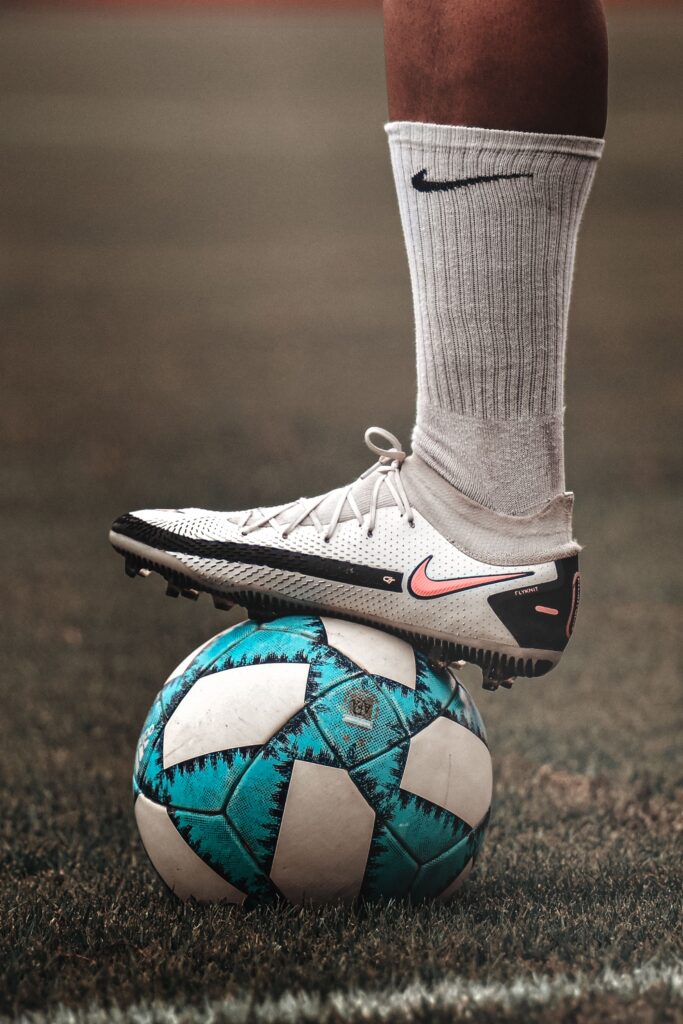
- Nike x Apple (Nike+): Early sports-tech collaboration that integrated fitness tracking into Nike trainers and iPods. Ahead of its time.
- Supreme x Louis Vuitton (2017): A mash-up of luxury fashion and streetwear that sold out instantly and became a cultural icon.
- Greggs x Primark (UK, 2022): A tongue-in-cheek collection of Greggs-branded clothing that flew off shelves. It worked because it tapped into British humour and affordability.
Lesson: With the right planning and protection, collaborations can become brand-defining moments.
What UK Businesses Need to Know Before Collaborating
Whether you’re a high-growth SME or a family business considering a partnership, here are the key IP questions to tackle before launching any co-branded venture:
- Who owns what? Verify your partner’s rights. Don’t just take their word for it.
- How will the brands appear? Define logo placement, packaging use, and marketing guidelines.
- What’s covered? Agree on the scope of licence (goods, geography, duration).
- Who owns new creations? Decide who holds rights to any designs, campaigns, or products developed together.
- Who enforces against infringement? Be clear on responsibilities if copycats appear.
- Who takes the blame if things go wrong? Allocate liability for third-party infringement.
- How will quality be controlled? Protect your reputation by setting product standards.
- How can you exit gracefully? Build in a mechanism to walk away if needed.
- What happens to leftover stock? Agree upfront how unsold inventory will be handled.
Why This Matters to Your Business
Co-branding isn’t just for multinationals. Local breweries, sports clubs, fashion designers, and retailers are all exploring collaborations to grow their audience. These partnerships can transform your business, but only if your IP strategy protects you.
Without it, you risk wasted investment, legal exposure, and reputational damage. With it, you unlock new opportunities, safe in the knowledge that your brand is secure.
How National Business Register Can Help
At National Business Register, we help UK businesses protect and maximise the value of their intellectual property. As trade mark agents, we provide:
- Trade mark searches and due diligence — ensuring your partner really owns what they say they own.
- Advice on trade mark and design protection in the UK, Europe, and worldwide.
- Agreement drafting and review to safeguard your brand in co-branding deals.
- Ongoing support to keep your IP strategy strong as your business grows.
If you’re planning a collaboration, don’t leave your brand unprotected.
Email: info@nbrg.co.uk
Phone: 0800 069 9090