Your business won’t stand still, and neither should the protection around it.
The name you chose on day one, the logo you paid a designer for, the product range you’ve spent years building: these are often the most valuable things a business owns. Yet intellectual property (IP) is easy to set up once and then forget about.
The trouble is, what protects a two-person start-up rarely protects a growing team selling into new markets. And it almost never satisfies an investor’s due diligence or a buyer’s legal team.
In this guide, we walk through the four key moments in the life of a business: starting out, growing, taking investment and selling. At each stage, we cover what to check so your IP keeps pace with your ambitions.
-
Starting out: seven things to get right from day one
The early days are exciting, busy and usually short on budget. But a few decisions made now will save you a great deal of cost and stress later. Get these seven steps right, in this order, and you’ll be building on solid ground.
- Choose your name. Pick something distinctive rather than descriptive. “Bright Smile Dental” is hard to protect; a unique name is far stronger.
- Run a clearance search. Before you fall in love with a name, check nobody else is already using it, or something confusingly similar. A professional search looks beyond exact matches to similar names and related trades, so you aren’t caught out later.
- Register your company. Incorporating at Companies House gives you a legal entity, but it doesn’t give you exclusive rights to the name. That’s a common and costly misunderstanding.
- Secure your domain. Register the matching domain (and key variations) early, before someone else does.
- Apply for a trade mark. A registered trade mark is what actually gives you the right to stop others using your brand in your field. It’s the foundation of your brand protection.
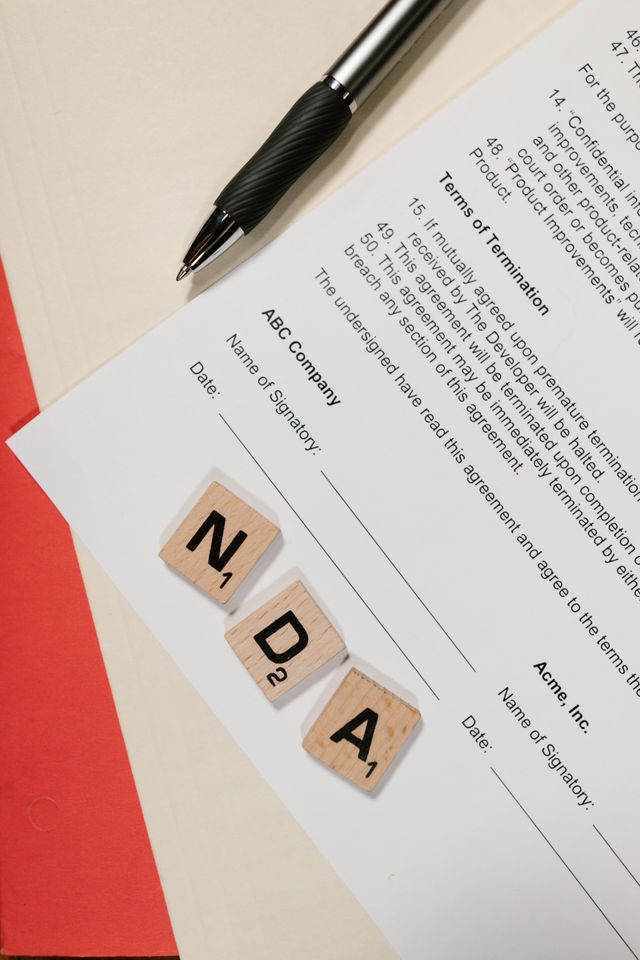
- Put contracts in place. Terms with customers, suppliers and freelancers set expectations and protect you if things go wrong. Don’t be afraid to ask for NDA’s to be signed, you don’t want to protect what gives you the edge when having discussions.
- Confirm who owns what. If a designer created your logo or a developer built your website, make sure the IP has been formally assigned to your business. Paying for the work doesn’t automatically mean you own it.
-
Growing: keeping your protection in step
Growth is the goal, but it often moves faster than your paperwork. The trade mark you registered at launch may no longer cover everything you now do, sell or call yourself. A quick review at this stage can close gaps before a competitor finds them.
Ask yourself:
- New products or services? Your trade mark only protects the goods and services it was registered for. New lines may need new cover.
- A new logo or brand refresh? An updated look may not be protected by your original registration.
- New territories? A UK trade mark protects you in the UK. Selling or exporting abroad usually means extending protection overseas.
- More staff? Employment contracts should make clear that IP created at work belongs to the business.
- New suppliers or manufacturers? Agreements should protect your designs, confidential information and brand. Review when your contracts were last drafted, has anything changed with your business, legislation or the economy generally?
- Licensing or partnerships? If others use your brand or designs, a written licence sets the rules and protects your rights. Gain legal advice ahead of collaborations and joint ventures.
- Are you watching the market? Trade mark and design monitoring alerts you when someone applies for a similar mark, so you can act early rather than after the damage is done.
-
Taking investment: getting your IP house in order
Investors aren’t just backing your idea. They’re backing the assets that make your business valuable, and IP is often top of the list. During due diligence, they’ll want proof that the business genuinely owns and controls what it says it does.
Before you pitch, check:
- Ownership is clear. Your business should be able to demonstrate who legally owns its key IP. Where IP is intended to be an asset of the company, ensure it has been properly transferred to the company rather than remaining inadvertently owned by a founder, former employee, contractor or external agency.
- Registrations are in place and current. Trade marks and designs should be registered, renewed on time and in the right name.
- Assignments are signed. Where contractors, designers, developers or agencies create IP for the business, ensure ownership is addressed in writing. Paying for work does not necessarily transfer ownership of the underlying IP, so any IP intended to belong to the business should be formally assigned, with the assignment identifying the relevant rights.
- Founder-created IP is transferred. Work a founder created before the company existed (a name, a logo, early code or designs) often still belongs to them personally. It needs to be moved into the business.
- Contracts protect your IP position. Employment, contractor, supplier and licence agreements should clearly address who owns existing and newly created IP, what rights each party has to use it, confidentiality obligations and what happens to those rights when the relationship ends.
Gaps here can slow a deal, reduce your valuation, or put investors off entirely. Fixing them before you start the conversation is far easier than fixing them under pressure.
-
Selling: what buyers will look for
When you sell, a buyer is paying for more than stock and premises. They’re buying your reputation, your brand and the right to keep trading under it. So you can expect them to look closely at your IP, and to adjust their offer if anything is unclear.
Buyers will typically review:
- Registered rights. Which trade marks, patents and designs are registered, where, and whether they’re still in force.
- The ownership chain. A clear, documented trail showing the business owns its IP, with no loose ends from founders, contractors or past transfers.
- Licences. Who you’ve allowed to use your IP, on what terms, and whether those agreements can pass to a new owner.
- Disputes. Any current or past challenges, oppositions or infringement claims.
- Contracts. Agreements with staff, suppliers and partners that affect who owns or controls your IP.
A well-organised IP portfolio builds buyer confidence, supports a stronger price and helps the sale complete smoothly. Start preparing early, ideally well before you go to market.
Protection that grows with you
The pattern across every stage is the same: the work you do early makes every later stage easier. A clear name, sound registrations and properly documented ownership don’t just protect you today. They add real, measurable value when it’s time to grow, raise money or sell.
At NBR, we’ve helped businesses protect their names and brands for over 40 years. Whether you’re just starting out or preparing for your next big move, our team can review where you stand and recommend the right next steps.
Not sure what stage your IP protection is at? Book a free consultation with the NBR team today.