The Biggest UK Trade mark Cases of 2025 and What to Watch for in 2026
27 January 2026, 10:38 am
Posted in: Trade Mark
Home Blog Trade Mark The Biggest UK Trade mark Cases of 2025 and What to Watch for in 2026

2025 has delivered some of the most high‑profile and widely discussed trade mark disputes in recent years. From small businesses defending their identity against lookalikes, to global brands battling over household names, the past 12 months have demonstrated that trade mark law is as much about perception and commercial reality as it is about strict legal definitions.
Below, we break down five of the biggest UK trade mark cases of 2025, what each one teaches us, and what businesses should be preparing for in 2026.
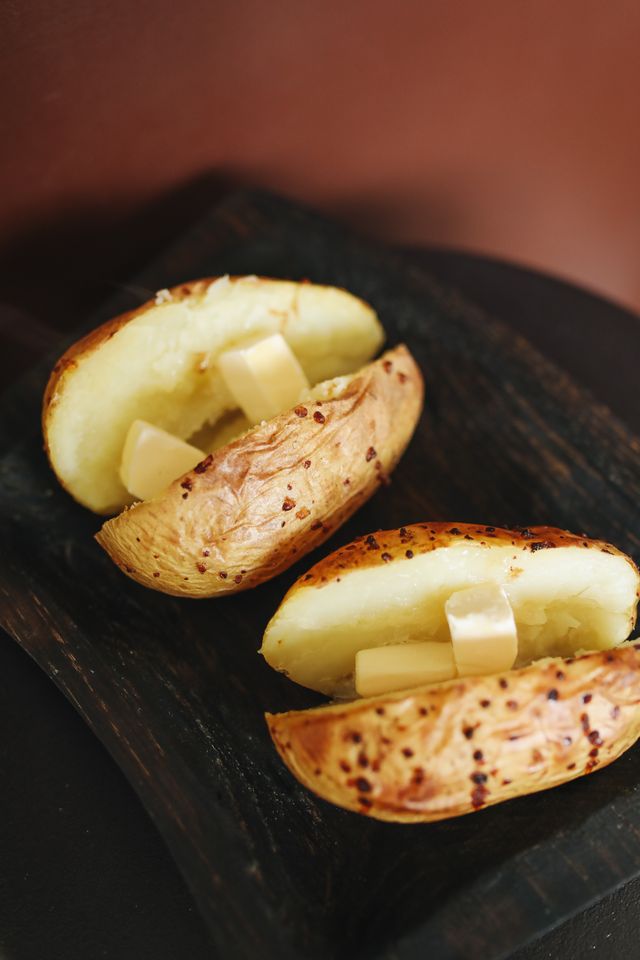
This case centred on a misunderstanding rather than deliberate imitation. SpudBros, the viral jacket potato brand, had already trade marked “The Spudfather” in June 2025 for a signature dish created in honour of their father and used across their menu, merchandise, and franchise plans.
When a new Portsmouth business, The Spud Father, launched using a similar name and Godfather style branding, a standard legal response from SpudBros’ lawyers was interpreted as a threat. Although no lawsuit was ever filed, the dispute escalated rapidly online, prompting strong public reactions and accusations of heavy handedness. SpudBros denied taking legal action and emphasised they were simply protecting an existing registered trade mark.
The case highlights the importance of early trade mark searches and strategic IP planning, particularly for small food businesses whose branding may unintentionally overlap with existing rights.
One of the most discussed cases of the year involved “WonderMum,” a French parenting app under scrutiny for its resemblance to DC Comics’ iconic “Wonder Woman.”
The heart of the legal battle was whether the average consumer would associate the family‑friendly, empowering “WonderMum” brand with the globally recognised superhero franchise.
This case deepened industry debate around:
Ultimately, the dispute underscored that the stronger and more famous the trade mark, the narrower the space for other businesses to occupy nearby territory, intentional or not.
The ongoing battle between the Australian use of “ugg” as a generic boot style and the American‑owned UGG® brand continued to make headlines in 2025. This case highlights how complex trademark protection becomes when:
In Australia, “ugg” is a generic term for sheepskin boots, but internationally Deckers Outdoor Corporation owns the UGG® trade mark in more than 130 countries
This case stands as one of the clearest modern examples of the tension between commercial branding and cultural language.
For UK businesses, the UGG dispute reinforces a key lesson:
If your brand name risks becoming generic, you may eventually lose control of it.
Consistent enforcement is not optional, it is essential, which is why Trade Mark Monitoring is an essential service.
easyGroup is well‑known for aggressively defending the “easy” brand family, but 2025’s dispute with Premier Inn over the phrase “Rest Easy” struck a different tone. The decision demonstrated that:
This case was especially important because it reminded brands that monopoly rights have limits, and descriptive or widely‑used language will not always be protected simply because it appears within a trademark portfolio.
2025 saw a major development in one of the UK’s most closely watched “lookalike” packaging disputes. Thatchers appealed the earlier IPEC ruling that found no infringement, and in January 2025 the Court of Appeal overturned that decision, holding that Aldi’s Taurus Cloudy Lemon Cider did infringe Thatchers’ registered trade mark by taking unfair advantage of its reputation.
The Court found that Aldi had intentionally designed its packaging to remind consumers of Thatchers’ well known cloudy lemon cider and to position its product as a cheaper equivalent, a clear instance of “riding on the coattails” of a reputable brand.
In June 2025, the Supreme Court refused Aldi permission to appeal, making the Court of Appeal’s decision final.
This case now stands as one of the strongest modern examples of UK courts supporting brand owners against lookalikes, particularly where reputation and intentional advantage taking are proven. We wonder whether this was a bit of a warning shot to supermarkets that have potentially taken advantage of the reputation of well known brands when selling their own version of a product.
Taking lessons from these major cases, here are the key trends businesses should monitor in 2026:
Popculture proximity: tighter clearance needed
Brands drawing inspiration from well known characters or cultural icons should expect close scrutiny. The dispute between WonderMum and the owners of the Wonder Woman brand during 2025 showed how even empowerment mthemed branding can be challenged if it is seen to sit too close to an iconic mark. The practical lesson for 2026 is to tighten clearance processes rather than shy away from creativity. This is where trade mark searches and IP advice early can be invaluable.
Cross border collisions will intensify
The long running tension in the UGG vs ugg dispute remains a warning for anyone trading internationally. “Ugg” is a generic term in Australia, yet the brand name UGG is protected in the UK, US and EU. In 2025 this forced Australian manufacturers to rebrand for markets outside Australia and New Zealand. As global markets blur, businesses should plan naming, packaging and listings country by country. Considerations to regional phrases and meanings need to be given – IP protection really does need to be afforded a good amount of time and money to ensure you business strategy doesn’t have holes in.
Descriptive phrases meet their limits
With the 2025 High Court ruling involving easyGroup and Premier Inn, it became clear that common expressions such as “rest easy” can rarely be monopolised. Where a phrase is used within strong house branding, courts will usually view it as ordinary language. The focus in 2026 will remain on how consumers actually perceive the sign in context.
Lookalikes: unfair advantage findings strengthened
The Thatchers vs Aldi appeal in early 2025 strengthened the position of brand owners. The Court of Appeal found that Aldi’s lemon cider packaging took unfair advantage of Thatchers’ reputation, and this was left undisturbed when permission to appeal was later refused. Expect more scrutiny of “lookalike” packaging in beverages, household goods and toiletries where a design appears intended to remind consumers of a leading product. This may mean that we have less trade mark battles between the supermarkets in 2026 if consideration is given to this by the legal and marketing teams.
Consumer evidence remains decisive
Courts continue to rely heavily on how real consumers interpret signs and packaging. Cases in 2024 and 2025 demonstrated the weight given to perception evidence, particularly where marketing gives rise to a message the brand did not explicitly state. As we move into 2026, businesses should be prepared with clear, credible consumer evidence before litigating.
AI and trade marks
Late 2025 saw the first UK ruling examining trade mark use within generative AI outputs. The court identified limited instances of infringement where watermarks appeared in generated content but rejected broader claims. More disputes will arise in 2026 as AI systems are tested against trade mark and unfair advantage principles.
Portfolio hygiene and use requirements
Following the SkyKick judgment, trade mark offices continue to scrutinise overly broad specifications and question filings made without clear intention to use. From 1 January 2026, use in the EU will no longer support comparable UK rights and vice versa. Trade mark owners should review their portfolios now and ensure they can evidence genuine UK use where required.
EU design reform (Phase II)
The first phase of the EU’s design reform took effect in 2025, with further procedural reforms arriving on 1 July 2026. These changes affect packaging, graphical interfaces and digital product designs filed at the EUIPO. UK businesses trading in the EU should update their design strategies accordingly.
Practical next steps for businesses
Final Thoughts
The major trade mark decisions of 2025 make one thing unmistakably clear: protecting a brand is now more complex, more international, and far more competitive than it used to be. As we move into 2026, businesses can no longer afford to wait for problems to arise. A strong trade mark strategy must be proactive. That means registering key assets early, reviewing risks regularly, and using tools like Trade Mark Monitoring to detect issues before they escalate.
How National Business Register (NBR) Can Help
NBR is here to support you every step of the way. We provide clear, practical guidance tailored to your business, backed by decades of experience in UK brand protection. Our comprehensive trade mark search services help ensure your name is unique and defensible, while our Business Name Protection service guards against passing off and unauthorised use for those businesses that can’t or don’t want to trade mark their name.
If you would like help securing or strengthening your brand, speak with our team today. You can reach us on 0800 069 9090 or at info@nbrg.co.uk.